Water softeners in Germantown, WI
Germantown water softeners for a 24-grain village
The Village of Germantown publishes one hardness figure: 24 grains, a combined average of all six of its wells. Few municipal systems in southeastern Wisconsin publish a harder one. One phone call gets you a price on a whole-home softener sized for it.
Mon to Fri, 7am to 5pm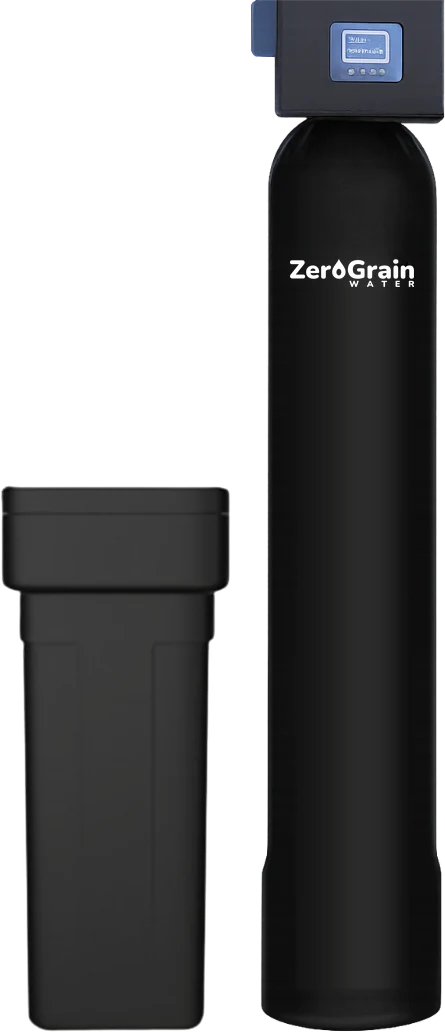
What is included
- One softener for the whole house, plus the brine tank it draws salt from
- An RO drinking faucet at the kitchen sink, which comes only with the softener
- Plumbed in by a plumbing contractor with a Wisconsin license
- A hardness test up front, and a retest at the tap that has to show zero
- One number for the price, given during the call, and no sales pitch at home
- Quote calls taken on weekdays, from 7am until 5pm
Germantown water hardness
Source: Village of Germantown, published water quality figures (all six wells, combined average, sampled October 6, 2018)
Get your price
Send your details and we will call you with one price. Nobody comes to the house to sell you anything.
One number, averaged across six wells
Germantown's water comes from six municipal wells, all groundwater, and the Village reports their hardness as one combined figure: 24 grains per gallon. As a headline for the whole village, that average does its job.
It is not the same thing as the water at your street. With six wells feeding one system, any single well can run above or below the mean, which is why a village-wide average and one kitchen tap can disagree.
A figure from October 2018
The Village's published average comes from samples taken on October 6, 2018. A 2018 sample is a fair guide to Germantown water, not a reading of your tap today.
That is why the water gets tested at your tap before the plumber starts, and why the visit ends with a retest there that has to show zero hardness.
Three times the lake suburbs, and no lake water here
Suburbs twenty minutes east drink lake water, and Germantown's average is three times theirs. None of the Village's supply comes from a lake; every gallon is pumped out of the ground.
The US Geological Survey files water as very hard once it tops 10.5 grains per gallon. At 24, Germantown's average is more than double that line.
The state's January 2026 estimate puts Germantown at 21,051 people, and those six wells are what the village system runs on.
Getting a price with no sales visit
Phone us Monday through Friday during the day, 7am to 5pm. Tell us your address, how big the household is, and the spot where your main line arrives, plus whether an existing softener sits there. That is all we need to size the whole-home softener and give you one number before the call is over.
Nobody from sales sets foot in your house. When you are ready, a plumbing contractor with a Wisconsin license handles the installation: whatever softener is there now comes out, a new softener and its salt tank are set by the main line, the bypass is plumbed in, and then the drain line is run so it empties into a drain across an air gap.
Up at the kitchen sink the reverse-osmosis faucet is mounted, and the water gets a retest at the tap that has to show zero hardness.
Village mains, private wells and the homes around Germantown
The six-well average speaks for one supply only: the water the Village of Germantown utility pumps and sends out through its mains. The area this site serves is wider, taking in the Town of Germantown and homes elsewhere in Washington County near the village, and not every one of those houses is hooked to the mains.
A household on its own well drinks water that was never in the Village's sample, so the 24 tells it nothing. Its starting figure comes from a lab sheet, or from the hardness test the plumber runs at the faucet before a single fitting is touched.
Mention which kind of house yours is in the first minute of the call. That one answer picks the number the sizing begins from.
What a softener does with water this hard
Hardness, in water terms, means calcium and magnesium carried in solution. Left in Germantown's water, those minerals dry into white spots and a cloudy coating on glasses and chrome, and they build scale inside the water heater, out of view.
A softener is a tank of resin that swaps the two minerals for sodium as water moves through it, or for potassium if you would rather pour potassium chloride than salt into the brine tank. On village water, every gallon brings about three times the hardness that lake water east of the village carries, and resin can only swap so much before it is spent, so the softener regenerates: brine is drawn from the salt tank and flushed through the resin to recharge it, and that rinse leaves by the drain line through its air gap.
That cycle is the reason a brine tank needs salt, and the reason the softener needs a drain within reach.
No switch to lake water is coming
Lake water serves the suburbs to the east, but it has no place in Germantown's system. The Village runs on six groundwater wells, with no lake water in the system and no plan to add any.
So the 24-grain average is not a phase to wait out; it is simply the water this village has. Softening is still your decision to make, and the phone quote hands you one price to weigh it against.
Germantown's RO drinking faucet: part of the softener, never quoted alone
Whatever Germantown address the softener goes to, the kitchen sink gets an RO drinking faucet along with it: its own reverse-osmosis tap beside the sink, covered by the one number you hear on the call.
The faucet is never quoted by itself. It travels with a whole-home softener, so a Germantown household looking for a drinking faucet and nothing else will not find one priced on its own.
Installation day brings it, mounted by the same plumbing contractor who sets the softener and its salt tank by the main line. Village mains or a Town of Germantown well, a first softener or a replacement, it is the same faucet every time.
That leaves nothing about it to settle on the phone. The call is spent on the water, the household and the spot where the main line arrives, and the faucet simply comes along with the softener.
From the six-well average to one Germantown household
Sizing a softener for a Germantown house takes three pieces: the hardness the house gets, the number of people who live there, and the point where its main line comes indoors, plus any softener that already stands beside it.
On the village mains, the hardness piece starts as the Village's published 24 grains, the combined average of its six wells. For a well house, whether in the Town of Germantown or elsewhere off the mains, it starts from the hardness entry on the lab sheet, or, with no lab sheet, from the faucet test the plumber runs on installation day.
The household piece is yours alone. The Village can publish figures for its water but not who lives behind your front door, and a house of two and a house of five on the same Germantown street are sized differently for that reason. Give today's count, including anyone who has moved in since the last softener was bought.
The last piece is the main line. Knowing where it reaches the house, and whether an old unit stands there, means the plumber arrives with the placement already worked out.
As for one village-wide number, Germantown's does real work and has a limit. Every Village well draws groundwater and the system takes in no lake water, so the 24-grain average is a sound place to start a quote. It averages six wells, from samples drawn on October 6, 2018, though, so it cannot speak for one faucet today; the plumber tests yours before connecting anything, and the softener follows that reading.
Common questions
How hard is Germantown's water?
The Village publishes 24 grains per gallon as a combined average of its six wells. The US Geological Survey calls anything over 10.5 grains very hard.
Will my tap read exactly 24 grains?
Not necessarily. The 24 is an average, and a single well can sit above or below it. Your own tap gets its test before the work starts.
Does any of Germantown's water come from Lake Michigan?
No. The Village system is six municipal wells, all groundwater. The lake-water suburbs are twenty minutes east.
Is 24 grains high for this area?
Yes. Few published municipal figures in southeastern Wisconsin top it, and it runs three times the hardness of the lake-water suburbs twenty minutes east.
Does the softener come with anything else?
Yes: the brine tank it draws salt from, and an RO drinking faucet at your kitchen sink. That faucet comes only with a whole-home softener; nobody buys it alone.
Can I get a price without anyone coming over?
Yes. The whole quote happens on the phone, weekdays from 7am to 5pm, and the number comes before the call is over.
How can I tell if my house is on Village water?
Look for a bill from the Village of Germantown's water utility. If one arrives, the six-well average is your starting point. If none ever does, the house almost certainly draws from a well of its own, and that well's lab sheet is the figure to use.
Do homes on private wells around Germantown get the same package?
Yes: the same softener and salt tank, the same reverse-osmosis drinking faucet beside the kitchen sink, one price on the call, and a retest at the faucet until it shows zero. The only difference is the starting figure, since a lab sheet or the plumber's test stands in for the Village's average.
Who works out the size of a Germantown softener?
We do, from what the call gives us: the Village's 24-grain average or your well's lab sheet, how many live in the house, and the place your main line enters. You do not need to know anything about softener sizes before you phone.
What if I can't tell where the main line comes into my Germantown house?
Find the main shutoff valve; the line it closes is the main line. If you still cannot find it, say so on the call, and say where the water heater and any old softener sit, since they tend to be close to it. The plumber confirms the spot on installation day.
Read more
- Germantown, WI water hardness
- How to read Germantown's six-well hardness average
- Why Germantown's water is three times as hard as the lake suburbs
- Germantown softener settings, from 24 grains to your faucet
- Why does a Germantown softener go through salt the way it does?
- The people behind Germantown Water Softener Co.